Emory University Hospital Midtown · Atlanta, Georgia
R. Steven Gerhard, MD
Fellowship-Trained Robotic Prostate Cancer Surgeon
Board-Certified Urologist
Assistant Professor of Urology, Emory University School of Medicine
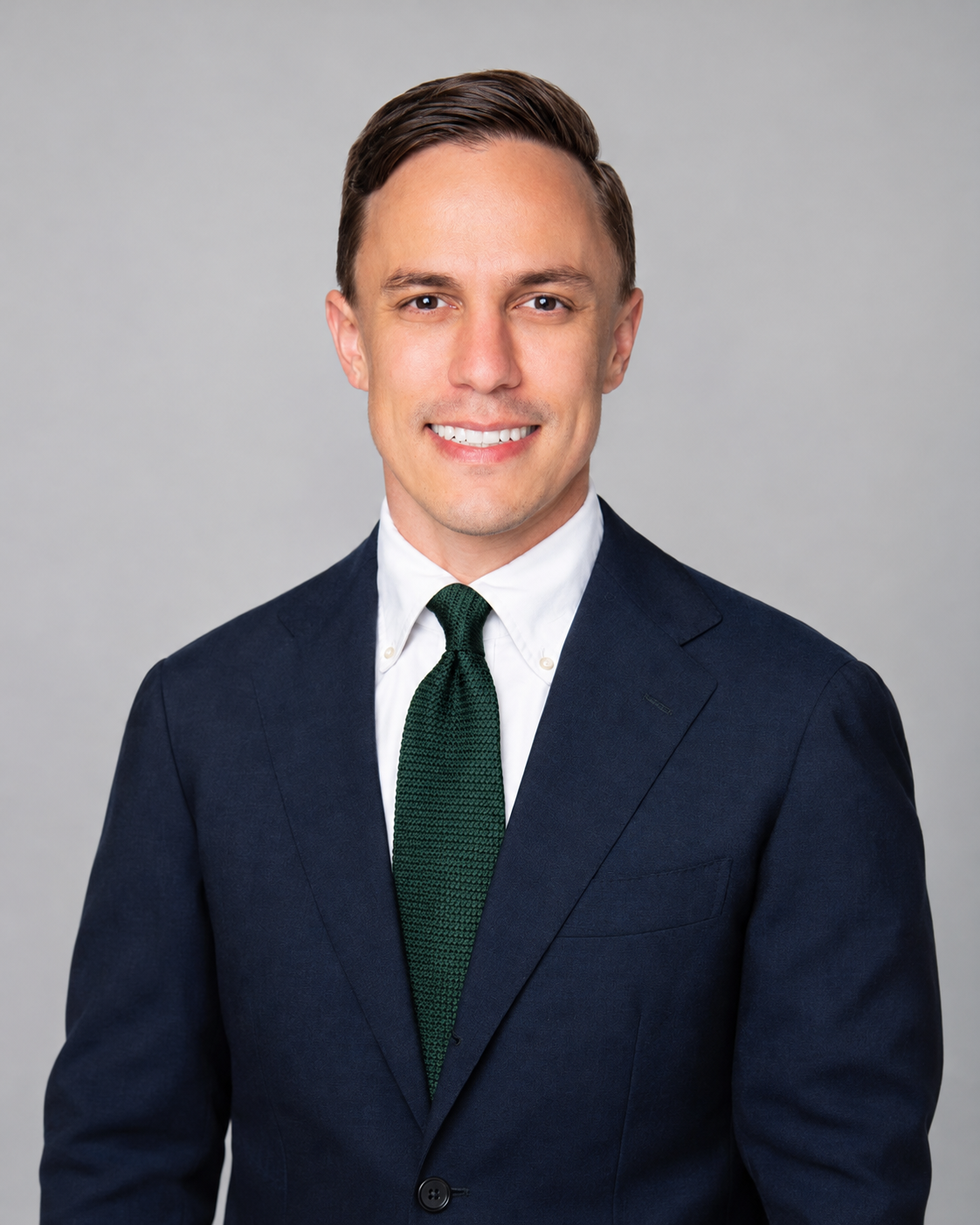
I care for men facing a prostate cancer diagnosis, whether they are seeking a second opinion, considering treatment options, or exploring robotic prostatectomy. My approach begins with helping you understand your cancer, the opportunity for cure, and which treatments are appropriate for you. For men who choose surgery, I bring specialized fellowship training, individualized surgical planning, and a commitment to care that extends through recovery and survivorship.
Explore my approach
A personal introduction
Get to Know Me
I am a board-certified urologist and fellowship-trained robotic prostate cancer surgeon dedicated to the care of men with prostate cancer. My practice focuses on men with prostate cancer that has not spread to distant parts of the body, including those seeking a second opinion, considering treatment options, or exploring robotic prostatectomy.
When men first come to see me, many are understandably worried about what a prostate cancer diagnosis means for their future. They want to know whether their cancer can be cured, whether treatment is necessary, and how treatment might affect their urinary control, sexual function, and ability to continue living the life they enjoy. Some worry about making the wrong decision, particularly when they have received conflicting recommendations or information.
I went to medical school at Emory, where I also completed my urology surgical training. Wanting to build my surgical career around prostate cancer, I pursued an additional year of specialized fellowship training in robotic urologic surgery under Dr. Ronney Abaza, a nationally recognized leader in the field. Most of that year was devoted to robotic radical prostatectomy. Since completing my fellowship in 2019, prostate cancer surgery has remained a central focus of my practice.
Understanding Your Cancer and Treatment Options
One of the most important parts of my work is helping men make sense of complex medical information. I bring together your biopsy findings, PSA history, imaging, overall health, and personal priorities to explain what we know about your cancer, what remains uncertain, and how that information guides the decisions ahead.
You do not need to have every answer at the beginning. Some decisions become clearer as we gather more information, and I help you understand what we know at each step and what comes next. For many men, there is more than one effective treatment option. I want you to understand the appropriate choices, their realistic outcomes, and the trade-offs involved so that you can make an informed decision with confidence.
My commitment to helping you find the right care does not depend on your choosing surgery. Whether you are considering active surveillance, radiation therapy, or robotic prostatectomy, I want you to fully consider your options and choose an approach that reflects your cancer, overall health, and personal priorities. When active surveillance is appropriate, I explain how monitoring works and help establish a follow-up plan. When radiation therapy is most appropriate, I help connect you with the specialists who provide that care.
I believe there is real reason for hope when facing a prostate cancer diagnosis. Many men with prostate cancer have an excellent opportunity for cure, and others have cancers that may not require immediate treatment. I believe in the power of a durable cure and what it can mean for a man’s future—the possibility of putting prostate cancer behind him and moving forward with his life. My goal is to provide each man with the best possible opportunity for cure or lasting cancer control while minimizing unnecessary treatment and its effects on his health and quality of life.
But successful treatment is about more than controlling cancer. It is about protecting the years of life ahead and the relationships, activities, and experiences that make those years meaningful. I want to understand the life you hope to continue living, because your priorities are an essential part of deciding how best to care for you.
My Approach to Robotic Prostatectomy
For men who choose robotic prostatectomy, my approach begins well before the operation, with careful preparation and a candid discussion of what surgery can and cannot accomplish.
I want you to understand why surgery may be appropriate for your cancer, its potential risks, and what recovery may realistically involve. Urinary leakage and changes in erectile function are common after surgery, particularly early in recovery, and some men have lasting difficulties. These conversations are essential to developing a surgical plan that reflects both the cancer we need to treat and the life you hope to preserve.
The surgical plan draws on your biopsy and imaging findings, the location and extent of the cancer, and your urinary and sexual function before treatment. Its aim is to provide the best opportunity for durable cancer control and cure while preserving healthy tissue and function whenever it is safe to do so from a cancer standpoint.
An important part of this planning is determining whether the nerves responsible for erectile function can be preserved, and to what extent. The appropriate approach may differ between the two sides of the prostate. My surgical priority is effective cancer removal, with careful nerve preservation whenever appropriate. This requires precise technique and the judgment to adapt the surgical plan when necessary.
Recovery, Follow-Up, and Survivorship
The trust you place in me carries a responsibility that extends through recovery, follow-up, and survivorship. I review your final surgical pathology, monitor your PSA, and help address concerns about urinary and sexual recovery and quality of life. If recovery is difficult, cancer returns, or additional treatment becomes necessary, I remain involved in helping you understand the findings and determine the appropriate next steps.
At Emory University Hospital Midtown, I collaborate with colleagues in other specialties and help train future urologists.
I want every man to feel confident in his treatment plan and the Emory team caring for him. For those who choose robotic prostatectomy, I hope to earn that same confidence as their surgeon through honest guidance, careful preparation, and a commitment that extends beyond the operation.
Whether you are newly diagnosed, seeking a second opinion, or considering robotic prostatectomy, I welcome the opportunity to meet with you and those you want involved in your care. To schedule a prostate cancer consultation with me at Emory University Hospital Midtown, please call Emory Urology at 404-778-4898.
Next steps
Schedule a Prostate Cancer Consultation
If you have been diagnosed with prostate cancer, are seeking a second opinion, or are considering robotic prostatectomy, please contact Emory Urology to request an appointment with Dr. Gerhard at Emory University Hospital Midtown.
Emory Urology at Midtown
Emory Clinic Urology at Midtown
550 Peachtree Street NE
Medical Office Tower, 9th Floor
Atlanta, GA 30308
When calling, ask to schedule a prostate cancer consultation with R. Steven Gerhard, MD.

